Points on your mortgage is a genuinely great idea. The relaunch that delivered it was one of the messiest in recent memory. Six months later, here’s where it actually stands.
For a few years, Bilt had the cleanest pitch in the entire rewards business, and you could say it in one breath: your rent earns points.
That was it. The biggest line item in your monthly budget — the one that had always vanished into a landlord’s account and returned nothing — suddenly did something. No fees, no gymnastics, no transfer partner homework. Just pay rent, get points, and those points were good ones.
Then, in February, Bilt decided to make it better.
What They Got Right
Let’s start with the part that deserves genuine credit, because it’s real and nobody else has it.
Bilt now pays you for your mortgage. Not rent — mortgage. Whoever your lender is, whatever the amount, no transaction fee. That’s a category that simply did not exist in the credit card market before this year, and if you own your home, it is the single most interesting thing any issuer has done in a while.
The program also stopped limiting you to one property, which quietly matters for anyone carrying a second home or an investment unit.
And the points themselves remain excellent. Bilt currency sits at the top of most independent valuations — better than the transferable points from Chase or Amex — with a deep bench of airline and hotel partners behind it.
So: great idea, well-chosen expansion, best-in-class currency. Bilt earned the goodwill it had.
What They Got Wrong
Here is where it gets entertaining, in the way a slow-motion collision is entertaining.
The relaunch moved Bilt off Wells Fargo — which had reportedly been losing serious money on the portfolio — and onto a new issuing setup with Cardless. Fine. Boring plumbing, invisible to customers.
What was not invisible was Bilt Cash, a second currency introduced alongside the points you already had.
The short version: you spend on your card, you earn Bilt Cash, and then you use that Bilt Cash to unlock better earning on your housing payment, which produces the points you actually wanted in the first place. A one-sentence value proposition became a flowchart. The New York Times called it the most complicated rewards system it had ever seen, which is not a sentence any loyalty program wants in its clipping file.
Members responded the way members do, which is loudly. Then a Bilt executive posted a meme calling the complainers basement-dwelling Redditors, which is a choice.
Two days later, the company blinked and introduced a second, parallel way to earn on housing that skips Bilt Cash entirely.
They did not remove the first one.
So now you choose between two earning systems with different rules and different tradeoffs, potentially month to month. The fix for “this is confusing” was, in effect, another option to be confused about.
The fine print had its own surprises. Bilt Cash mostly expires at year-end regardless of when you earned it. Certain spending is quietly excluded. And rental car coverage was downgraded — the old no-fee card carried primary insurance, while even the $495 card now carries secondary. That’s the kind of detail that doesn’t make headlines and absolutely should.
Then the actual mechanics broke. Cardholders reported rent and mortgage payments going missing, bouncing, or arriving late. Some existing customers were denied outright; others were approved with sharply reduced credit limits. And when people called for help, many found chatbots and multi-day waits before reaching a human.
For a product whose entire job is do not mess up my housing payment, that is close to the worst possible failure.
The Three Cards, Briefly
Assuming you’re still interested — and there are good reasons to be — the lineup is straightforward enough.
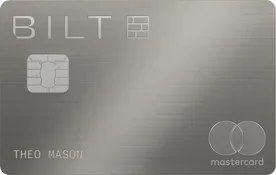
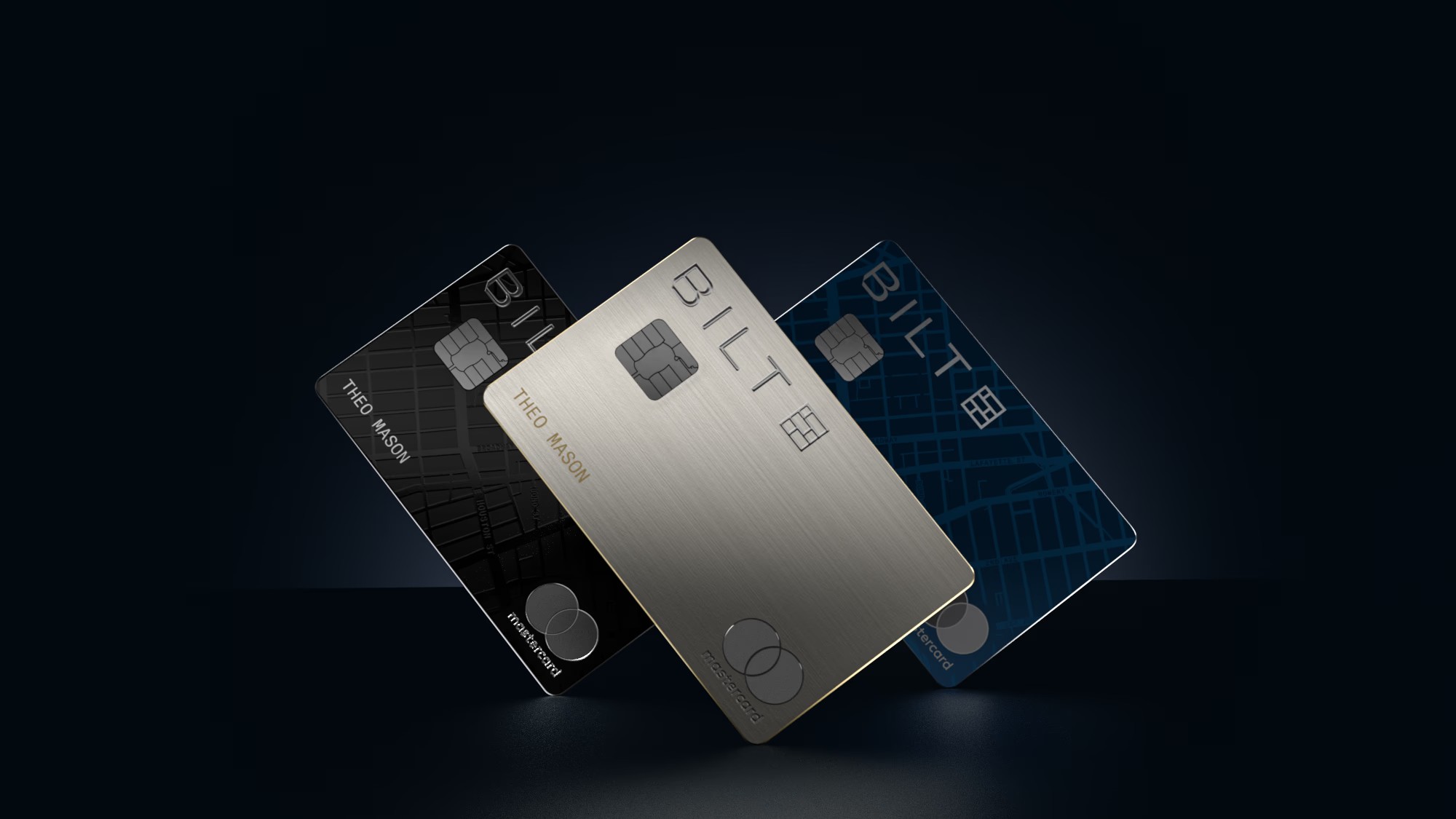
Bilt Blue carries no annual fee and is the low-commitment way in. Modest earning, no frills, useful mostly as a door.
Bilt Obsidian sits at $95 and lets you pick either dining or groceries as a 3x category for the year, with a small semi-annual hotel credit attached. It’s the sensible middle, and the one that makes the most sense if your spending genuinely clusters in one of those two buckets.
Bilt Palladium is the $495 premium card — flat 2x on everyday spend, a meaningful annual hotel credit, recurring Bilt Cash, and Priority Pass lounge access. Most reviewers who’ve done the math land on Palladium as the one where the numbers actually work, provided you spend enough to feed it.
Note the shape of that: the cheapest card is the least rewarding, and the most expensive is where the value hides. That’s not unusual anymore, but it’s worth naming.
So Is It Worth It?
Depends entirely on whether you enjoy this.
If optimizing is a hobby — if you already run a spreadsheet on your Amex credits and you think of a rewards program as a puzzle rather than a chore — Bilt is still one of the most rewarding places to put your money, and the mortgage angle has no competition.
If you want a card that works without supervision, this is not currently that card. The original Bilt was beloved because it was effortless. The new one asks for participation, and there’s an honest argument that a program requiring a calculator has stopped being a benefit and started being a second job.
The most generous read is that Bilt tried to make its economics sustainable and did it clumsily in public. The least generous read is that complexity is the point, because complexity produces unredeemed currency, and unredeemed currency is profit.
Both can be true. They usually are.
What’s not in dispute is that a company with the best one-line pitch in the business spent 2026 making it require several paragraphs — and that everything else in your wallet is drifting the same direction, from premium dining credits that only work at certain tables to coffee programs with tiers.
Keeping it all straight is the actual work now. That’s precisely what Luxi, the LUXE AI concierge, is built to carry — which programs, credits, and partners genuinely stack on a given purchase, so you don’t have to hold the flowchart in your head.